Streamlining Household Utilities: Addressing Modern Billing Challenges
The landscape of managing monthly residential utility invoices has grown increasingly intricate. Households today often juggle bills from multiple providers—electricity, water, gas, internet, and waste services—each with its own due dates, payment portals, and statement formats. This fragmentation creates a significant administrative burden, transforming what should be a straightforward task into a time-consuming and often frustrating ordeal for many individuals and families. The sheer volume of distinct accounts demands constant vigilance.
This complex environment inherently increases the risk of critical oversights. Missed payment deadlines are not uncommon, leading to unwelcome late fees that accumulate over time and impact household budgets. More severely, repeated delays can result in service interruptions, causing considerable inconvenience and additional reconnection charges. Relying on manual tracking methods, such as physical calendars or personal reminders, is prone to human error, especially for busy individuals or those managing properties beyond their primary residence.
A common challenge is the lack of a clear, centralized overview of utility expenditures and consumption history. Paper statements can easily be misplaced, damaged, or discarded, making it difficult to access past data for budgeting purposes or to identify long-term usage trends. Without a consolidated record, households struggle to gain insights into their spending habits, hindering their ability to make informed decisions about energy conservation or service plan adjustments. This absence of data clarity can obscure potential areas for optimization.
Beyond the logistical hurdles, security remains a paramount concern. Traditional methods, such as mailing checks or using various independent online payment gateways, often require sharing sensitive financial information across numerous platforms. This scattered approach increases exposure to potential data breaches, phishing attempts, and other cyber threats. Users frequently worry about the safety of their personal details and bank accounts when navigating multiple, sometimes less robust, digital environments.
The modern household demands a more efficient, secure, and transparent approach to utility management. The current system, characterized by its disjointed nature and inherent risks, is no longer adequate for contemporary living. There is a clear need for solutions that consolidate information, automate processes responsibly, and prioritize the protection of sensitive user data, transforming the utility billing experience into one of simplicity and assurance.
Underlying Factors Contributing to Billing Difficulties
- Fragmented Provider Systems: Utility companies often operate independent billing portals and processes, compelling consumers to navigate numerous distinct interfaces and remember multiple login credentials for their services.
- Reliance on Manual Tracking: Many households still depend on physical mail, personal calendars, or individual bank transfers for each bill, significantly increasing the potential for human error and administrative oversight.
- Evolving Security Landscape: As digital transactions become more prevalent, the constant threat of cyber-attacks and data vulnerabilities necessitates robust protection that many traditional or basic online systems lack.
Strategic Solutions for Enhanced Utility Management
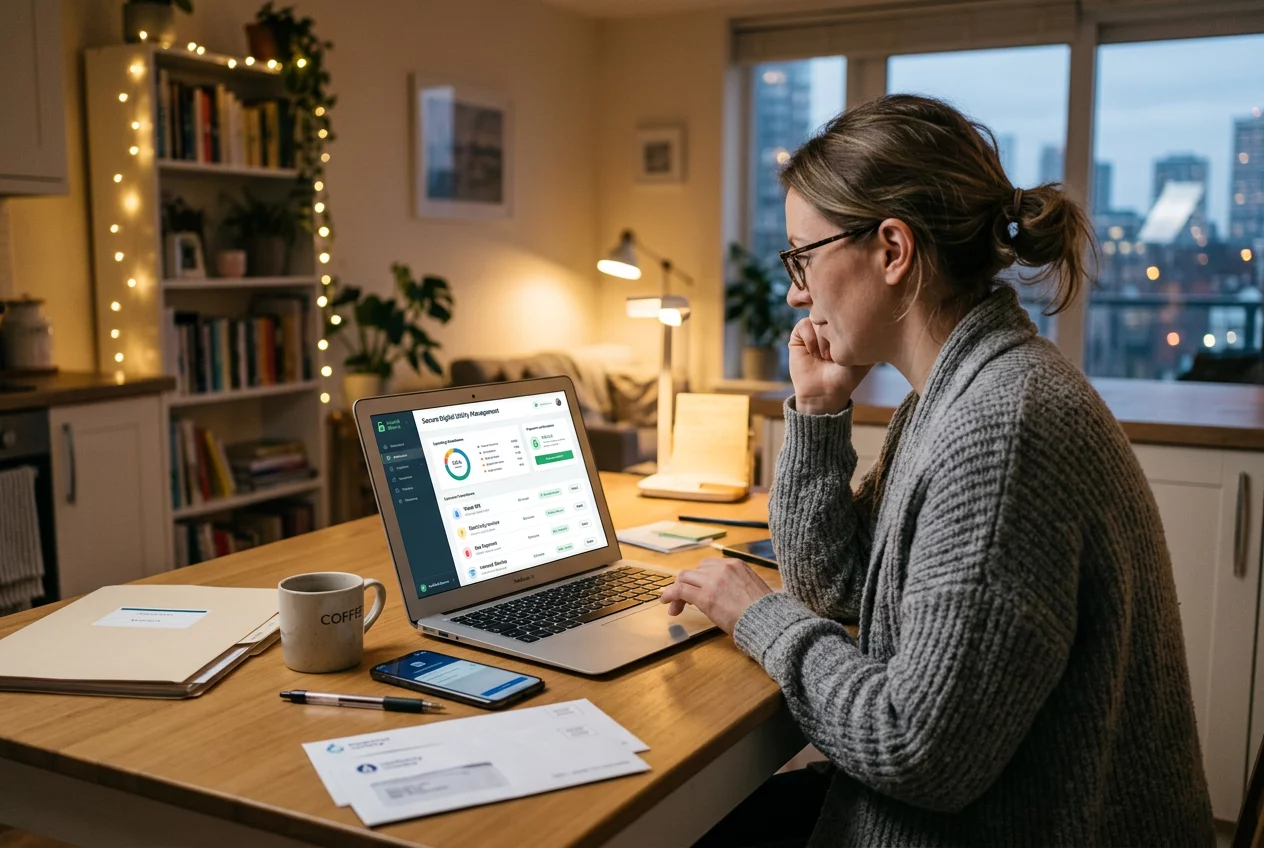
One effective approach involves the implementation of a centralized digital billing hub. This innovative platform allows households to link all their utility accounts from various providers into a single, unified interface. Users gain an immediate, comprehensive overview of all their outstanding bills, upcoming due dates, and payment histories. Consolidated notifications ensure that no critical deadlines are missed, significantly reducing the stress associated with managing multiple financial obligations.
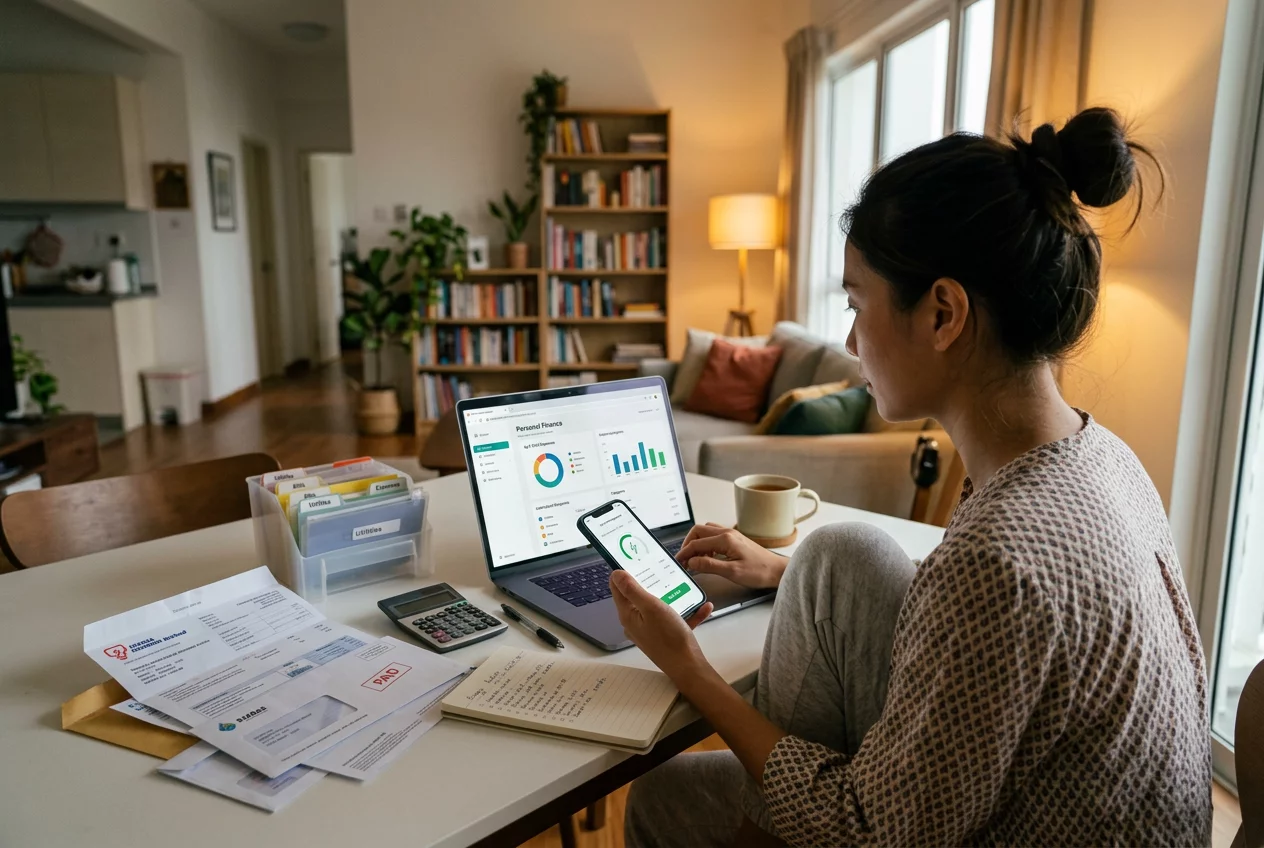
This hub also offers powerful analytics, presenting detailed consumption data and expenditure trends over time. Such insights empower users to make more informed decisions regarding their usage and budget planning. With secure integration protocols, Galvixily ensures that data from diverse utility providers is accurately reflected and updated in real-time, providing a reliable source of information for every household. The intuitive design prioritizes ease of use and accessibility.
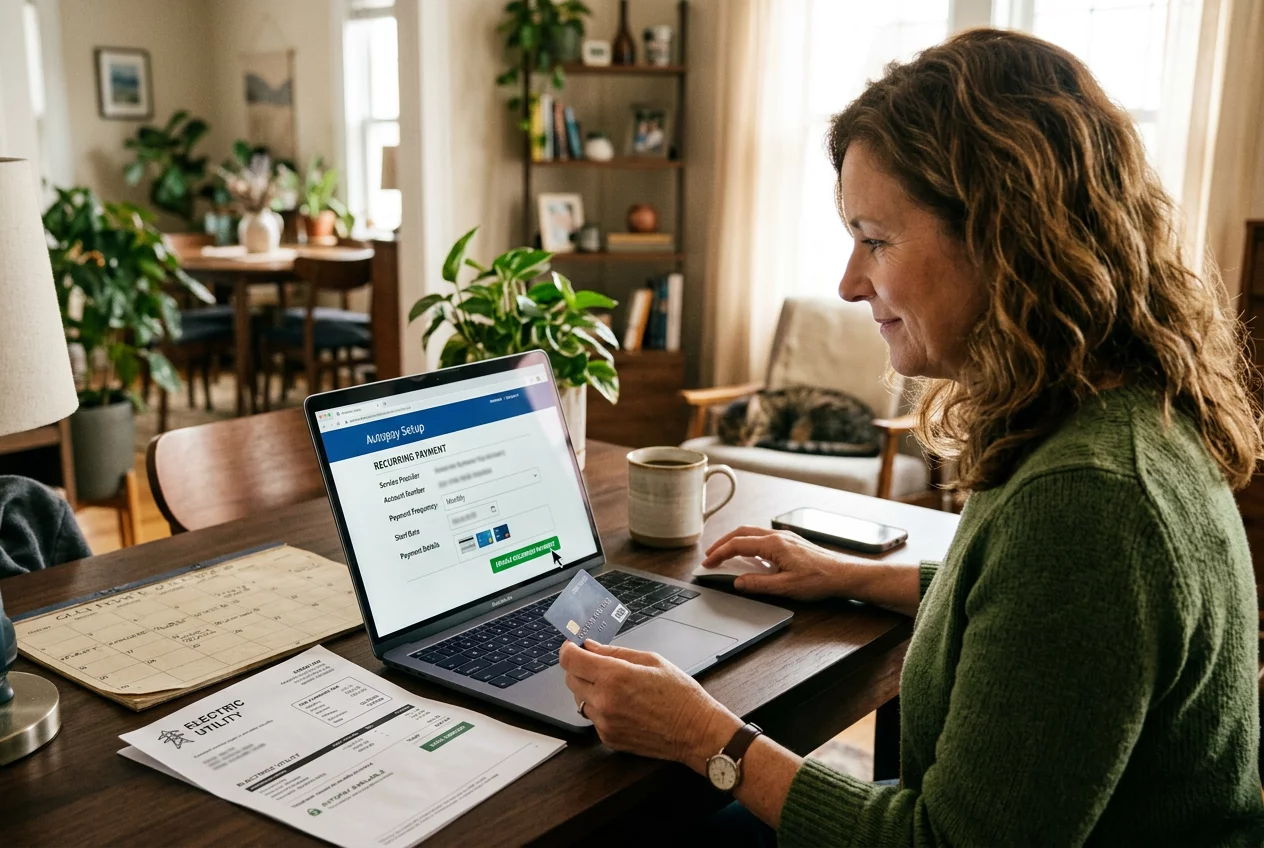
Another powerful solution is the adoption of automated payment and intelligent reminder systems. These systems allow users to set up recurring payments for their utility bills, ensuring that invoices are settled promptly and automatically without manual intervention. Users maintain complete control, with options to review, pause, or modify any scheduled payment before it is processed, providing both convenience and flexibility.
Complementing this, intelligent reminder features send timely alerts via preferred communication channels, such as email or SMS, well in advance of due dates. This proactive approach helps prevent late fees and avoids service interruptions. The system can also offer customizable payment thresholds and budget tracking capabilities, helping households manage their expenditures effectively. This significantly lightens the mental load of remembering and processing numerous monthly invoices.
Finally, establishing robust security and data privacy frameworks is absolutely essential for any digital platform handling sensitive financial information. A secure platform must be built upon advanced encryption standards and incorporate multi-factor authentication to safeguard user data from unauthorized access. Regular security audits and adherence to stringent compliance regulations are critical to maintaining a trustworthy environment.
Users should also have access to tools that monitor account activity and provide instant alerts for any suspicious transactions or login attempts. Transparent data handling policies, clearly outlining how user information is collected, stored, and utilized, foster confidence and trust. Galvixily prioritizes the safety and integrity of every user's financial information, ensuring that personal details are protected and never shared without explicit consent, thereby creating a highly secure environment for all transactions.
Potential Risks and Mitigation Strategies
- Data Integration Complexity: Connecting seamlessly with the varied and often proprietary systems of numerous utility providers can present technical hurdles and lead to initial delays in data synchronization.
Recommendation: Employ flexible API architectures and maintain dedicated technical teams focused on adapting to diverse provider technologies, ensuring robust and reliable data flow. - User Adoption Hesitation: Some individuals may be reluctant to transition from familiar traditional billing methods to new digital platforms due to habit or a general distrust of new technology.
Recommendation: Offer comprehensive onboarding tutorials, readily available customer support, and clearly articulate the tangible benefits such as time savings and reduced administrative stress to encourage adoption. - Evolving Cyber Threats: Despite the most advanced security measures, any digital platform remains a potential target for sophisticated and continuously evolving cyber-attacks.
Recommendation: Implement continuous security monitoring, conduct regular penetration testing by independent experts, and ensure prompt patching of any identified vulnerabilities to maintain platform integrity.

Posts Comments
Write a Comment